Teeth whitening: what to know before you start
Understand whitening's limitations, possible sensitivity and why a dental check comes first.
Start with an assessment
Whitening aims to lighten natural teeth, but the response depends on the cause of discoloration and the condition of your teeth. A dentist checks the teeth and gums first and discusses whether your expectations are realistic. No single shade is suitable or guaranteed for everyone.
Understand the options
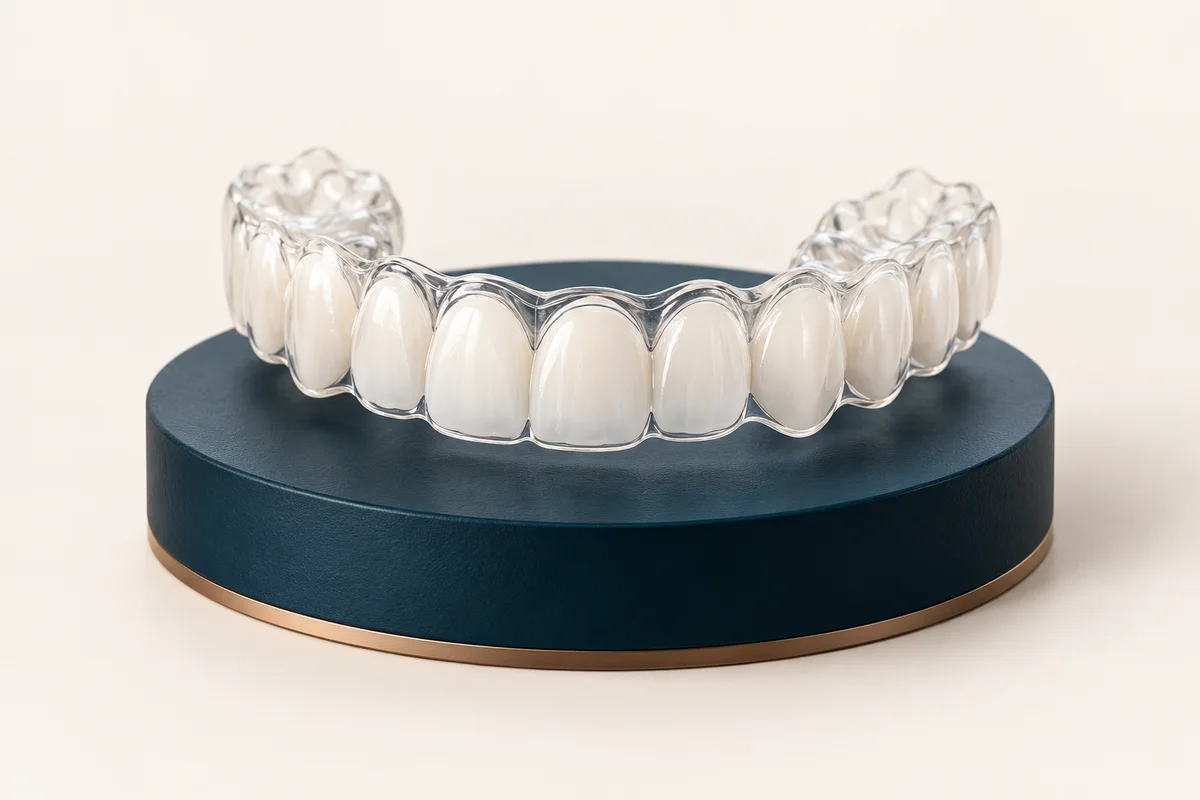
Treatment may take place in the dental surgery or use dentist-provided trays at home with specific instructions. Stain-removal toothpastes mainly address surface stains; they do not produce the same effect as bleaching agents. Crowns, veneers and fillings do not change color with whitening, so existing restorations need to be considered when planning the result.
Be aware of sensitivity
Temporary sensitivity or gum irritation can occur. Tell your dentist about troublesome symptoms and do not increase the amount of whitening material or the wearing time yourself. Overuse can harm teeth and gums.
Results are not permanent and vary between people. Before starting, ask about alternatives, follow-up and managing sensitivity. Someone else's result photograph cannot predict the outcome for your teeth.
Questions about your dental health?
Contact the clinic to discuss your needs. Emergency warning signs require immediate medical care.